Personnel files
Characters and people
Agents, witnesses, families, adversaries, historical figures, and creators shape the struggle over consensus reality. Their individual histories show where institutional doctrine becomes personal consequence.
47 recordsCharacters, witnesses, and operatives
Fictional personnel whose choices, testimony, and relationships drive the narrative.

Alek Hidell
An elderly Department associate introduced as Alek, whose name Lee connects to the alias used to obtain the rifle in the Kennedy assassination record.
PublishedOpen record →
Bobbie
A teenager whose Hatman sightings turn online folklore into a lethal case and whose image continues to confront Francine after Bobbie’s death.
PublishedOpen record →
Charity Sinclair
A Department operative who recruits Hunter Hill and later appears in the Florida dinosaur operation as a sincere believer and useful public witness.
PublishedOpen record →
Cole Turner Explained: His Past, Recruitment, and Changing Loyalties in The Department of Truth
Cole Turner explained through his FBI past, Department recruitment, contested memories, Black Hat pressure, White Hat turn, and loyalties through issue #38.
Source-backed guide through issue #38; unresolved claims remain attributedOpen record →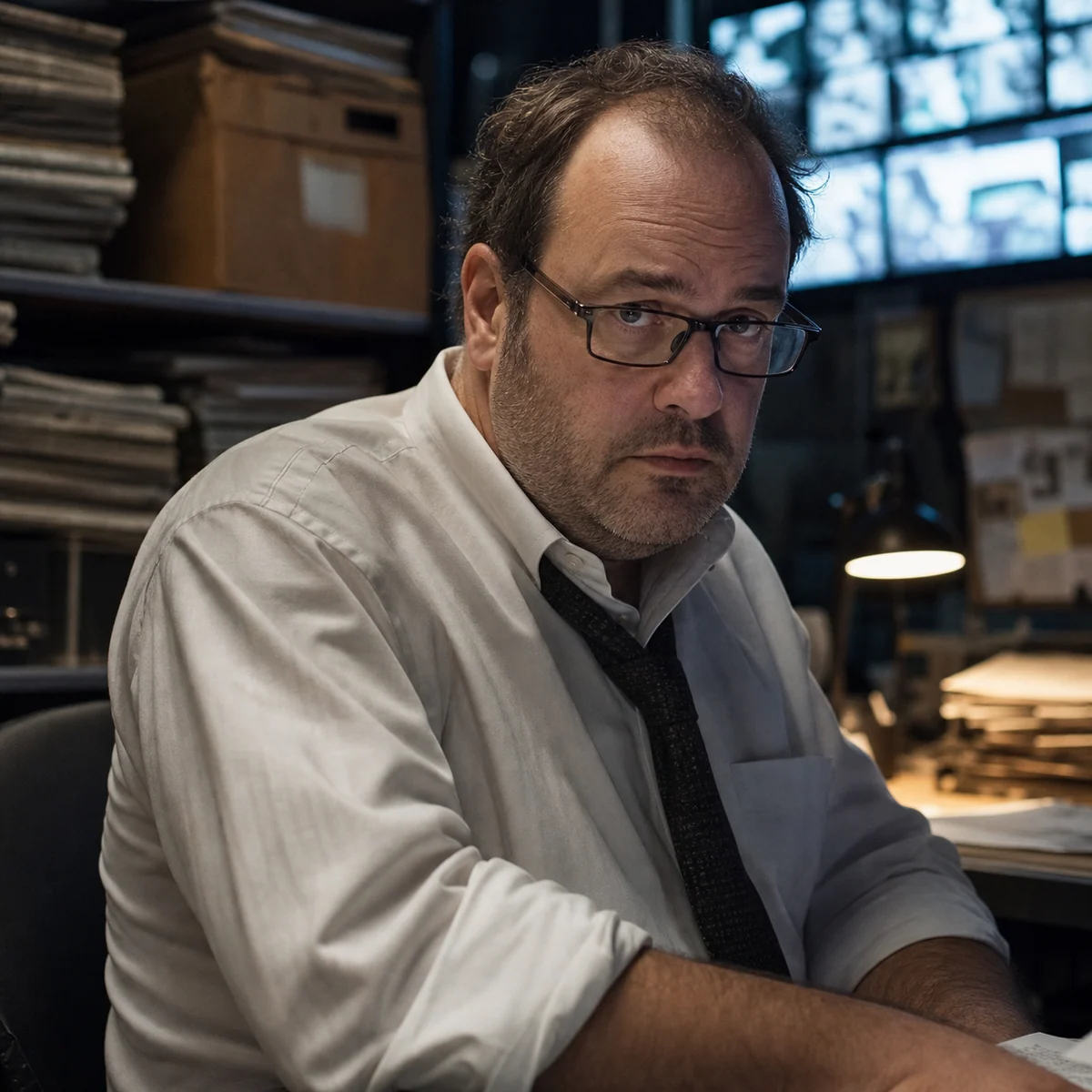
Daniel Clay
A Washington Post reporter whose questions place public-interest journalism beside the Department’s secret control of evidence.
PublishedOpen record →
Darla
Huck Gaines’s daughter and Hunky’s sister, a Department hunter whose early training and later field work carry the family’s methods into the Florida operation.
PublishedOpen record →
Dexter
Bobbie’s online confidant, whose excitement about a reality-changing “big idea” helps the Hatman story move from theory toward violence.
PublishedOpen record →
Doc Brown
A longtime Department veteran who demands access to Lee and discovers that the institution treats its own history as proprietary technology.
PublishedOpen record →
Doctor Hynes
A Department doctor associated with Lee Harvey Oswald’s 1967 attempt to create a UFO-attracting tulpa, an experiment remembered through its catastrophic failure.
PublishedOpen record →
Francine
The surviving teenage witness known as Frank, whose encounter with Bobbie and Hatman brings her under Ruby’s protection and Department control.
PublishedOpen record →
Grigori Petrov
Grigori Petrov is a former Soviet Ministry of Lies associate whose archive work connects Oswald’s history to the Department’s attempt to compare rival realities.
PublishedOpen record →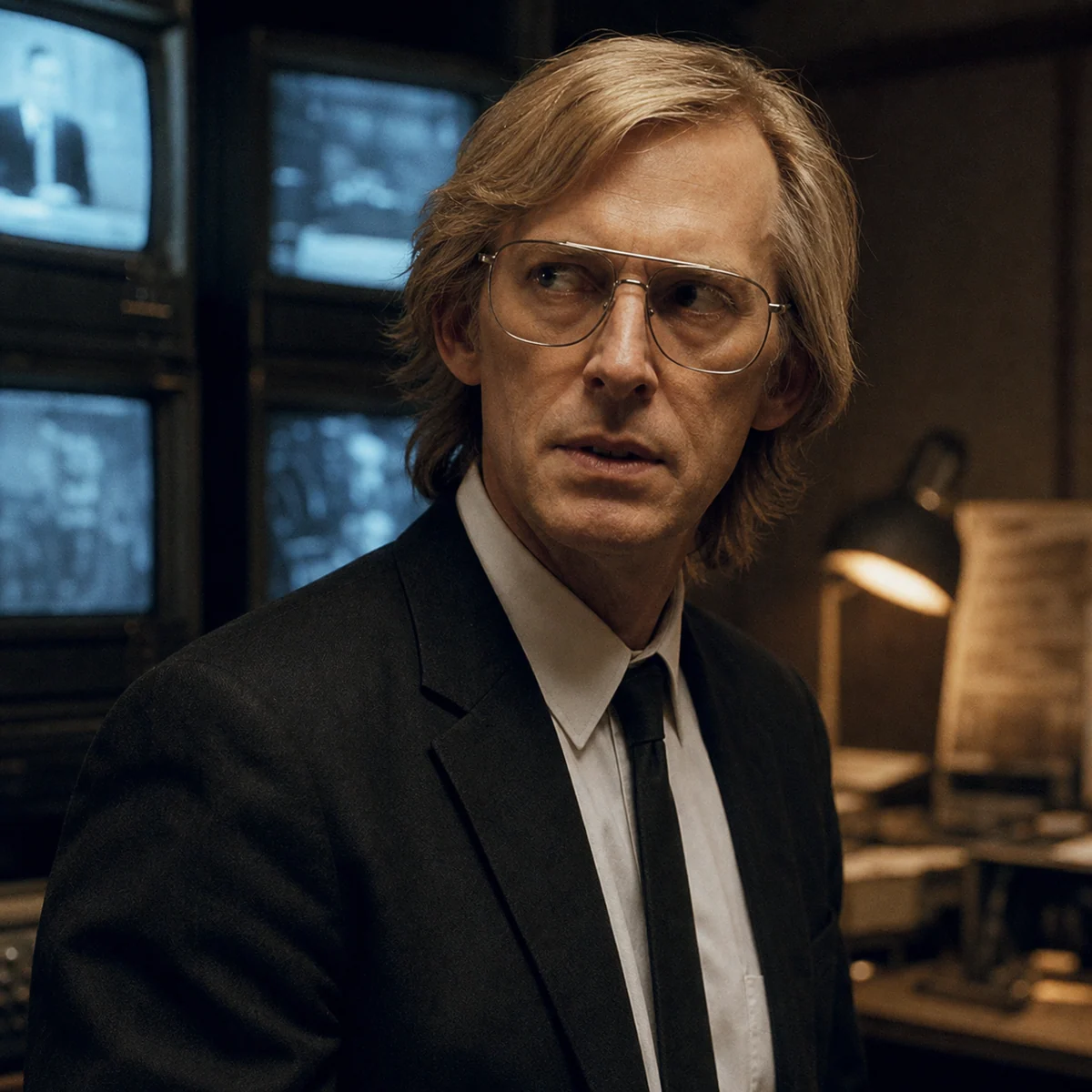
Hawk Harrison
A Department field agent whose investigations into preschool panics, manifestations, and cryptids teach Cole how belief becomes an operational problem.
PublishedOpen record →
Huck Gaines
A veteran Department field hunter whose training, injuries, and death define the inheritance carried by Hunky and Darla.
PublishedOpen record →
Hunky
Huck Gaines’s son and a Department operative whose work in television rooms and field operations turns family inheritance into a method of reality management.
PublishedOpen record →
Hunter Hill
A nineteen-year-old internet investigator recruited as a liaison between the Oval Office and the Department after an impossible conspiracy story becomes physical.
PublishedOpen record →
Lee Harvey Oswald
The Department’s recruiter and director, whose fictional survival and contested history are set beside the documented life of the historical Lee Harvey Oswald.
Continuity subject; identity contestedOpen record →
Martin Barker Explained: His Motives, Methods, and Black Hat's Plans
Martin Barker explained through Black Hat recruitment, convolution, Lee Harvey Oswald, Cole Turner, motives, contradictions, and his role through issue #38.
Source-backed guide through issue #38; unresolved claims remain attributedOpen record →
Mary Todd
A grieving mother whose impossible video turns the crisis-actor conspiracy into one of the Department’s most morally difficult containment cases.
PublishedOpen record →
Matty Kane
Cole Turner’s husband, a Washington Post journalist whose pursuit of the truth brings him into direct contact with the Department and Black Hat.
PublishedOpen record →
Ruby
A Department field operative who becomes Cole Turner’s operational contact while embodying the organization’s uneasy mixture of procedure, paranoia, and violence.
PublishedOpen record →
The Woman in Red
An enigmatic figure associated with Black Hat, unstable memory, and Cole Turner’s contested understanding of his past.
Identity unresolvedOpen record →Historical figures in the fictional continuity
Documented lives remain separate from the supernatural roles assigned to them by the story.

Aleister Crowley
The English occultist whose writings on Thelema and Babalon supply the symbolic vocabulary that the comic joins to the Woman in Red and postwar reality research.
PublishedOpen record →
Dziga Vertov
Dziga Vertov’s documentary theory and cinematic legacy become part of the series’ exploration of cameras, propaganda, and evidence that appears to observe reality into existence.
PublishedOpen record →
Elvis Presley: Historical Context
The documented singer and performer behind the survival legends, impersonator culture, and fictional Department operation surrounding the Elvis image.
PublishedOpen record →
Frank Capra
The name Frank Capra belongs both to a documented American filmmaker and to a Department director whose fictional history is tied to propaganda and the moon-landing operation.
PublishedOpen record →
Harry S. Truman
The thirty-third U.S. president assigned a fictional founding role in the Department after the Second World War and at the start of the Cold War.
PublishedOpen record →
J. Edgar Hoover
The longtime FBI director invoked as both a recognizable symbol of hidden federal power and an incomplete explanation for the violence surrounding Lee’s 1968 crisis.
PublishedOpen record →
Jack Parsons
The pioneering American rocket engineer and occultist whose real work at the origins of JPL and ritual association with Hubbard are fused by the comic into the Babalon case.
PublishedOpen record →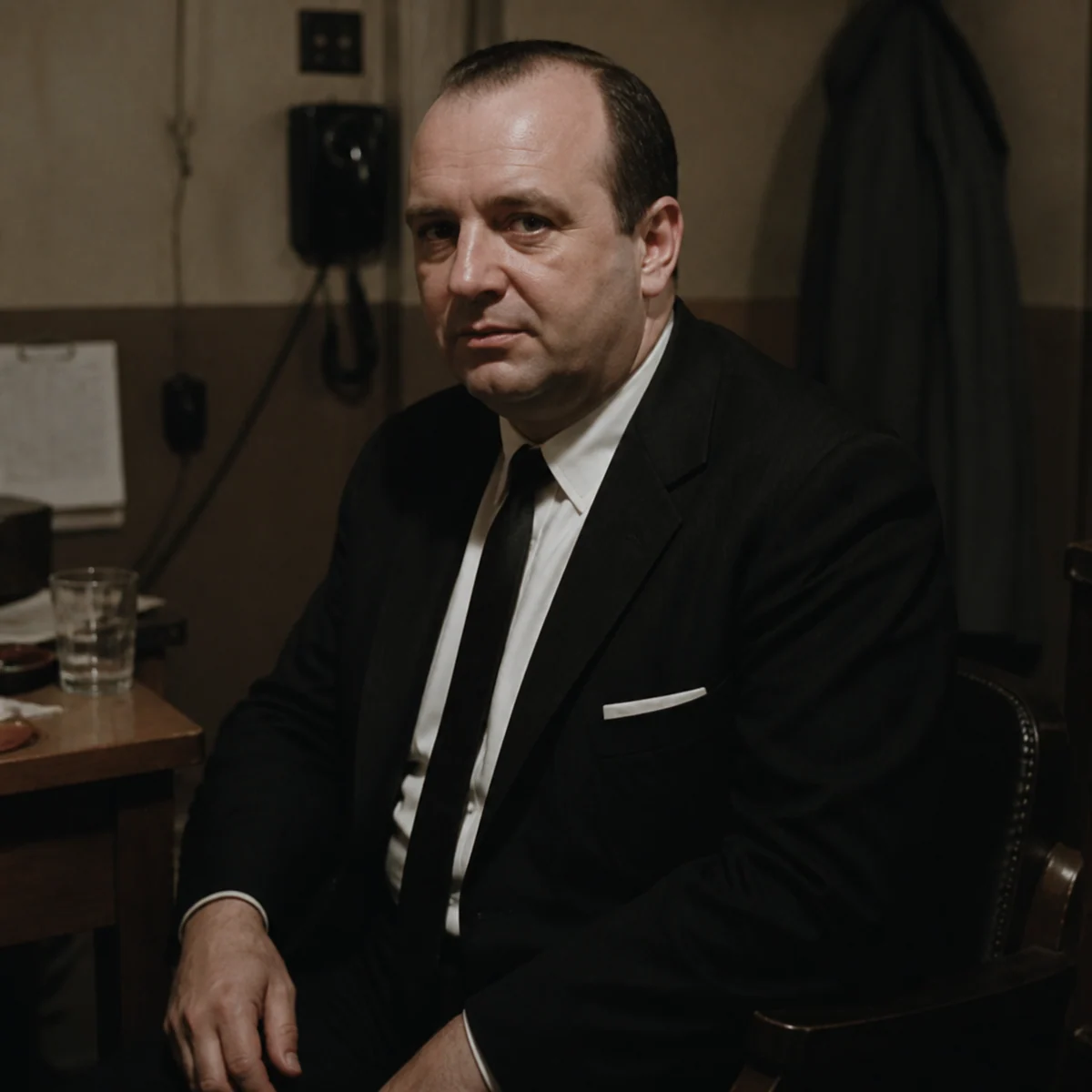
Jack Ruby
Jack Ruby is treated in two separate layers: the historical Dallas nightclub owner who killed Oswald, and the fictional figure whose actions help anchor the comic’s competing JFK realities.
PublishedOpen record →
John F. Kennedy
The thirty-fifth U.S. president whose assassination is the central historical rupture around which the Department, Lee Harvey Oswald, and competing realities are organized.
PublishedOpen record →
L. Ron Hubbard
The American writer and founder of Scientology whose documented association with Jack Parsons is transformed into an occult origin story in issue #14.
PublishedOpen record →
Malcolm X
The Black nationalist leader and human-rights advocate named in issue #16 among the figures whose lives and assassinations shaped the political meaning of the 1960s.
PublishedOpen record →
Marilyn Monroe
The actor and global celebrity whose public image becomes a contested body, memory, and possible doorway in the Department’s Hollywood operation.
PublishedOpen record →
Martin Luther King Jr.
The civil-rights leader whose assassination is part of issue #16’s confrontation with political violence, state power, and the stories America tells about change.
PublishedOpen record →
Richard Nixon
The thirty-seventh U.S. president fictionalized in issue #17 as an ambitious consumer of Department power who immediately imagines Apollo-era belief as a weapon.
PublishedOpen record →
Robert F. Kennedy
The attorney general and senator whose 1968 assassination marks the political crisis through which Lee debates whether America and his own identity can be real.
PublishedOpen record →
Stanley Kubrick
The filmmaker whose reputation for technical precision and 2001: A Space Odyssey is appropriated by moon-landing hoax mythology and by the comic’s fictional Apollo operation.
PublishedOpen record →Creators and contributors
Writers, artists, letterers, colorists, and other credited contributors to the published series.

Aditya Bidikar
The credited letterer whose dialogue, captions, broadcasts, documents, and competing voices give the series’ evidence layers distinct visual registers.
PublishedOpen record →Alison Sampson
The guest artist of issue #16, whose fragmented Hollywood chapter turns memory, radio, photographs, intimacy, and occult imagery into unstable evidence.
PublishedOpen record →Ben Templesmith
The guest artist of Reality and the Beast, translating screens, illness, religious spectacle, family memory, and living dinosaurs into a broadcast-saturated visual field.
PublishedOpen record →Dylan Todd
The credited designer responsible for the publication framework that presents chapters, dossiers, supplemental records, indicia, and recurring institutional labels as one coherent archive.
PublishedOpen record →James Tynion IV
Writer and co-creator of The Department of Truth, whose scripts build a conspiracy thriller around belief, institutions, and competing histories.
PublishedOpen record →Jordie Bellaire
The colorist of two Silent Movies chapters and the complete Suspicious Minds backup sequence, shaping separate historical periods through controlled palettes.
PublishedOpen record →Joshua Hixson
The artist of Suspicious Minds, using performance, memory, masks, research, and national iconography to distinguish the backup from the main feature while keeping it inside the same continuity.
PublishedOpen record →Martin Simmonds
Artist and co-creator whose painted, documentary, and nightmare imagery gives The Department of Truth its unstable archive texture.
PublishedOpen record →Scott Snyder
The writer of the three-part Suspicious Minds backup, a 1955 and 1977 story about music, Elvis Presley’s public image, and the Department’s idea of a national asset.
PublishedOpen record →Steve Foxe
The credited editor associated with the series’ serialized continuity, guest chapters, backup integration, supplemental records, and publication sequencing.
PublishedOpen record →